Table Of Content

Acure is paraben, sulfate, mineral, oil, formaldehyde, and cruelty-free. While the brand does use plastic packaging, we’re pleased to see it offers a recycling program with Terracycle. We also tested several options ourselves and consulted a celebrity hairstylist for insight into formulas and what ingredients to avoid. Jen Atkin answers thick hair prayers with a vegan, sulfate-free formula packed with rich conditioning ingredients like avocado oil, shea butter, and marshmallow root extract. Beyond the luxurious consistency, we're all about the rejuvenating floral-citrus scent. Billy Madison may have famously debated whether shampoo or conditioner is better—remember the bathtub scene with the battling bottles?
If You're Struggling With Dull, Lackluster Skin, This Is the Routine You Need
To make an ACV rinse for hair treatment combine ¼ cup of apple cider vinegar with about 1 cup of water. Hair rinse treatments are a good way of taking extra care of your hair in a natural and low effort way. Overall black tea is a good option to try if you are trying to stop and reverse hair loss.
How To Use A Hair Rinse On All Hair Types
By supporting sustainable ingredients and using ones at risk of extinction, our hair and planet become healthier. It works on all hair types and textures, from stick-straight and fine to coarse and curly. Suitable for all hair types and textures, this silicone-free superfood conditioner is a surefire pick for pretty much anyone and everyone.
Best Long-Term Option, Runner-Up
So treat your hair like you do your face, and understand you'll likely need to try a few ways out to find something that works for you. It's one of the most simple DIY products you can master, but there are important steps to follow in order to get the most benefits. Lactic acid, in particular, is a very beneficial acid for skin health as it can act as humectant as well.
Best Long-Term Option
Clean beauty products typically won’t include ingredients like parabens, sulfates, silicones, or formaldehyde. A simple guideline to follow is to look for ones that are familiar and easy to pronounce. Hardges tell us to keep our eyes peeled for plant oils like argan, jojoba, safflower, and grape seed, as well as root extracts like burdock or yarrow.
As always, if you have concerns about using ACV in your routine, consult with your hair colorist or stylist. Here's a good place to start, and from here you can adjust based on your personal experience. No matter the way you use it, be sure to let it sit on the hair for upwards of a few minutes before you rinse it out. With your apple cider vinegar of choice, mix in ½ tablespoon of ACV for every 1 cup of cold water to dilute the vinegar.
Rosemary and Lavender Hair Rinse

Since chemical processing makes hair more susceptible to breakage, you need to be extra careful with all that you're using. If you pick up a professional hair care apple cider vinegar rinse, it will have a decent shelf life thanks to the preservative system. It's not going to have the same preservatives and stabilizers, which means you need to make your rinse single-use. Since water is a neutral pH and most shampoos are alkaline, simply taking a shower changes the pH of your hair. Now that you know what hair rinses are and how to use and make them. You may be wondering how often you can use them on your hair in order to get all of those benefits.
4 ways to include onions to your hair care routine - Hindustan Times
4 ways to include onions to your hair care routine.
Posted: Sun, 28 Apr 2024 05:08:16 GMT [source]
Among its many attributes, aloe vera is great at relieving an itchy scalp and can also be used to cleanse oily hair. After shampooing your hair, towel dry until it’s slightly damp and then pour your rinse over from roots to tips. After shampooing your hair, pour one cup of the rinse over, massage in, and leave for up to 30 minutes. You don’t need to rinse this off unless the mild vinegar smell bothers you.
Aloe Vera Hair Rinse
This wax infused with chamomile oil is soothing and safe to use on sensitive skin. The cute kit includes spatulas and a pre-and post-waxing oil. To use, first microwave the cup in 30-second intervals until its consistency is similar to that of thick honey. Make sure to stir the wax gently between each interval. After heating, use the spatula and check the temperature of the wax on the inside of your wrist.
The formula is also super concentrated—you get over 70 uses from one bottle—and we think the herbal-minty scent is delightful. If I am making an herbal rinse I will usually use boiling water and a teaspoon of tea or beneficial herbs (or two tea bags). Doing this will ensure that you are getting the most benefits out of your herbal hair rinse with a strong infusion. You can make this hair rinse by making a tea of the two herbs then cooling to use on your hair.
For hydration and Ph-Balancing rinses, leave the mixture on for minutes. Strengthening treatments are similar to protein treatments, so these should be done only once or, at the most, twice a month for maximum benefits. This formula is lighter than most, so it won't weigh down already oily or thin hair. According to the maker, lemongrass works double duty to combat excess oils on the scalp while restoring bounce and shine. It can sometimes be hard to get out of the bottle though.
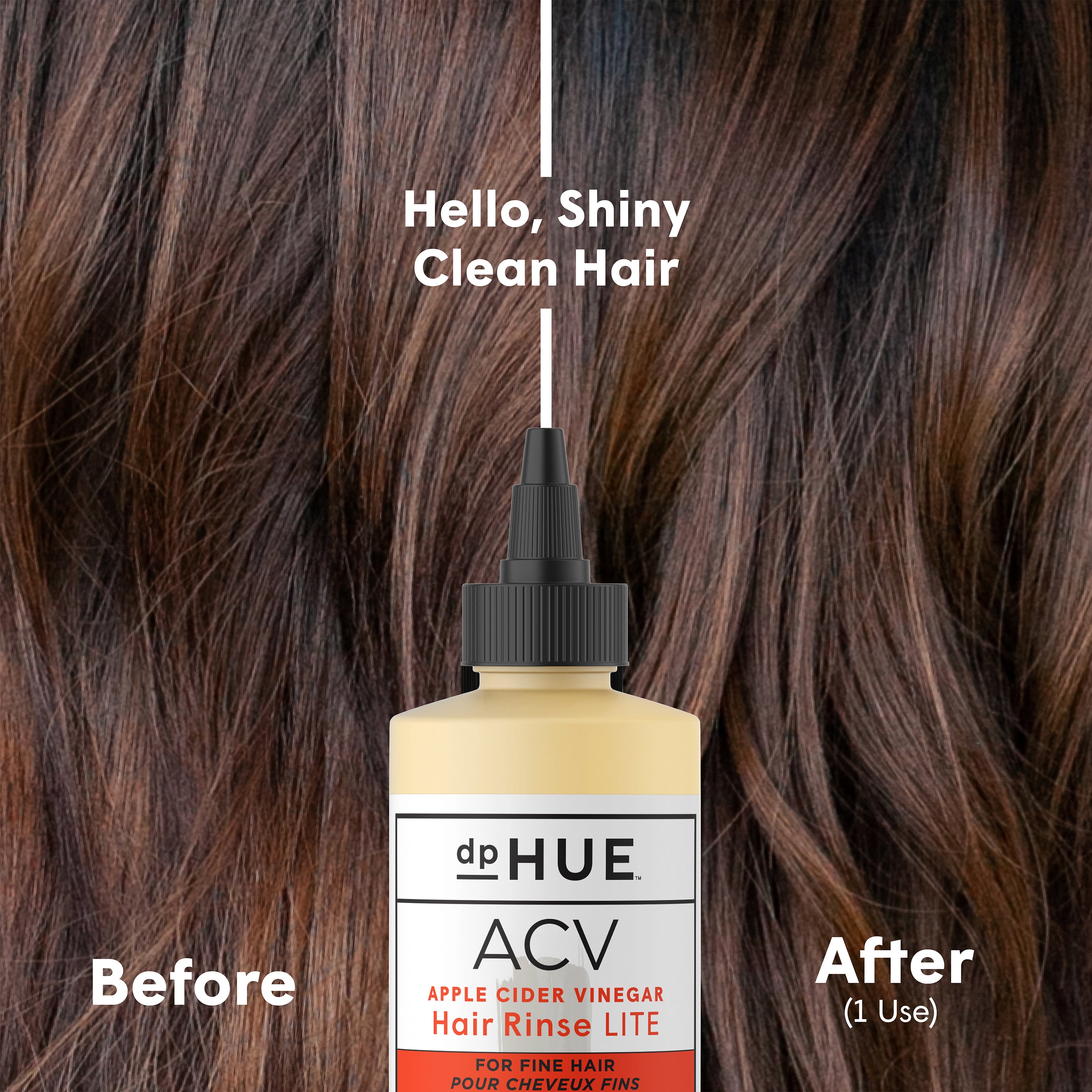
Soak the herbs – dried flower/leaves – in water for about 7 to 8 hours or overnight – to release their goodness. But if you are in a hurry or if you are using fresh flowers and leaves then you need not soak and proceed straight to making, as directed below. Full of vitamin B, biotin, folic acid, and Vitamin C, apple cider vinegar can help with dandruff, dullness, and frizz, and provide a sensitive cleanse.
I have color damaged, dry hair, and thought I desperately would need conditioner to smooth my hair out, but honestly, ACV works better. To prevent buildup on your scalp, New York City-based hairstylist Kim Bonondona recommends shampooing your hair twice before adding the rice water. Save conditioning for after, as it will close the cuticle, and you want to get the benefits of rice water penetrating through the hair shaft.
First, use the included cleanser to prepare your skin for hair removal. This is formulated with salicylic acid and papaya enzymes to exfoliate the skin while willow bark and niacinamide soothe the skin and strengthen the skin barrier. The dermaplaning head can then be used in short feathery strokes to remove dead skin cells and peach fuzz. As research constantly evolves, so does what we consider safe versus unsafe. We know it’s overwhelming to keep up, but you can look for a few trusted labels to help decide when choosing a clean beauty product. A Leaping Bunny Certification, for example, is the only internationally recognized symbol telling us that the brand did not conduct any animal testing.



No comments:
Post a Comment